
Why Visualisation Is One of the Most Powerful Exam Preparation Tools
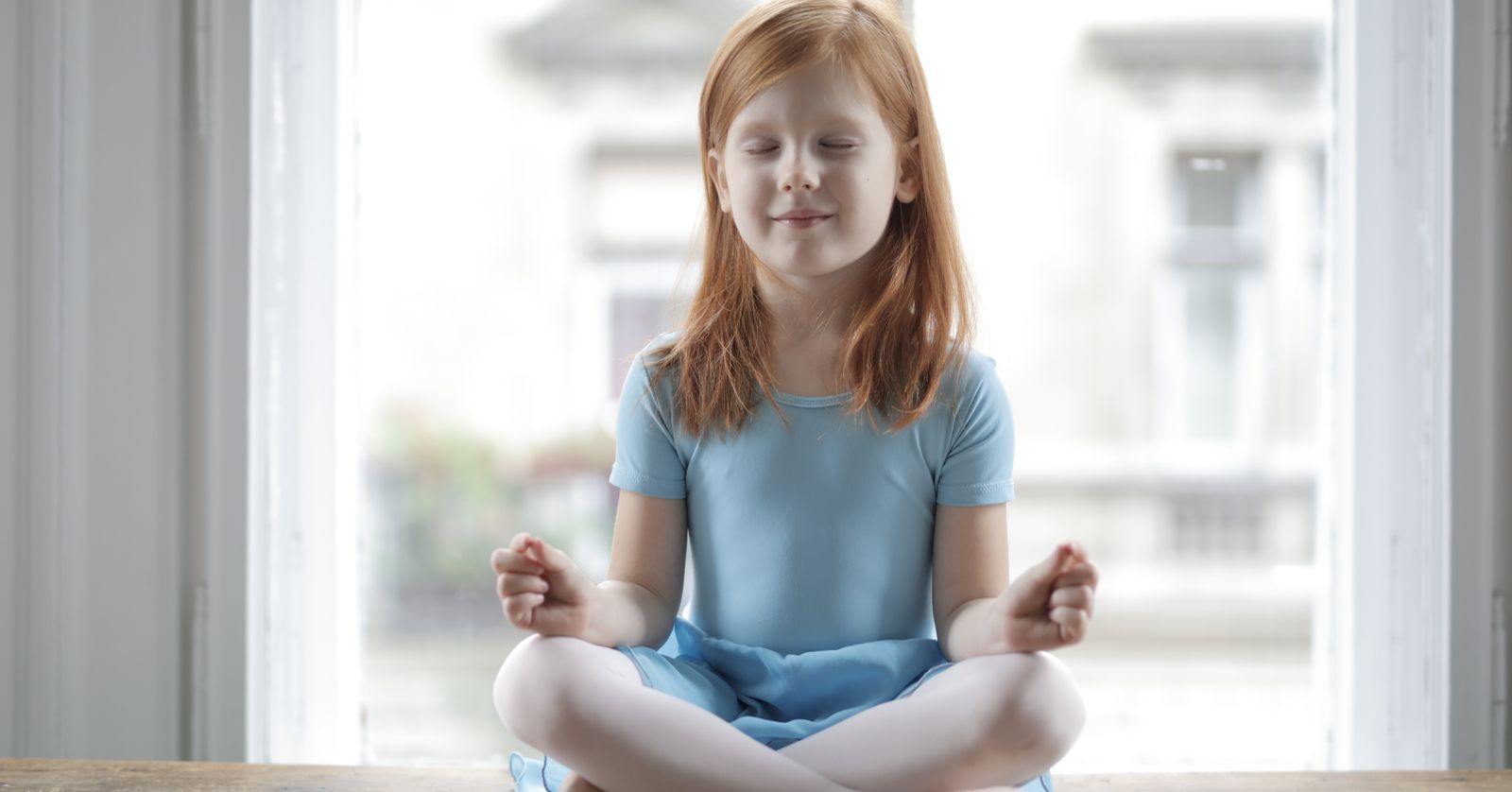
You tell your child they have worked hard and will be fine, yet they still feel unprepared and on edge as the HAST, Selective Test, OC Test or NAPLAN approaches. It is frustrating to watch reassurance bounce off them. The reason, according to W. Timothy Gallwey in 'The Inner Game of Tennis', is that the unconscious mind does not absorb words - it absorbs images. Once you understand that, visualisation becomes a simple, powerful way to help your child build calm, genuine confidence before the exam.
As the date of a major Australian exam like the Selective High School Placement Test, Opportunity Class (OC) test, HAST, or NAPLAN approaches, many parents try to boost their child’s confidence with encouraging words. We say things like, “You’ve studied so hard, you’ll be fine,” or “Just remember the formulas we practiced.”
While these words are well-intentioned, they often fail to actually calm a nervous student. According to W. Timothy Gallwey, a pioneer of modern performance coaching, this is because we are using the wrong language to communicate with the part of the brain that actually performs the task.
In his highly influential book The Inner Game of Tennis, Gallwey explains that every performer has two inner selves: Self 1 (the conscious, critical, verbal mind) and Self 2 (the unconscious, intuitive, doing mind). The problem is that Self 1 communicates in words, but Self 2 — the part of the brain that actually executes the performance — only understands images and feelings.
The Language of Self 2
When a child sits down to take the Selective Test or HAST, their conscious mind (Self 1) might be frantically repeating instructions: “Don’t forget to check your working out. Remember to read the question carefully. Don’t spend too much time on one question.”
Gallwey argues that this constant verbal chatter from Self 1 actually creates tension and interferes with Self 2’s ability to perform naturally. Self 2 has already absorbed the knowledge through months of practice tests and study. It knows how to solve the maths problem or structure the essay. It just needs clear direction, not a running commentary.
The key insight of the Inner Game is that the most effective way to program Self 2 for success is through visualisation. Before a tennis player serves, they don’t give themselves a list of verbal instructions; they clearly picture the ball landing exactly where they want it to go. The unconscious mind then takes that image and coordinates the body to execute the action.
Applying Visualisation to Exam Preparation
For Australian students preparing for high-stakes exams, visualisation is a powerful tool to program their unconscious mind for calm, focused performance. Here is how parents can help their children use visualisation effectively for the OC Test, NAPLAN, or Scholarship exams:
1. Visualise the Process, Not Just the Outcome
Many students mistakenly visualise only the final outcome — seeing an “A” on their report card or getting the acceptance letter. While this can be motivating, it doesn’t actually help Self 2 perform the task.
Instead, teach your child to visualise the process of taking the exam. Have them close their eyes and picture themselves sitting in the exam hall. They should imagine opening the test booklet, reading the first question calmly, and feeling confident as they write the answer. If they are preparing for the HAST abstract reasoning section, they should visualise themselves smoothly identifying the pattern without panic.
2. Visualise Overcoming Obstacles
A crucial part of exam visualisation is mentally rehearsing how to handle difficulties. If a student only visualises a perfect, easy exam, they will panic when they inevitably encounter a hard question.
Have your child visualise themselves reading a question they don’t immediately understand. Then, have them visualise their response: taking a deep breath, staying calm, re-reading the question, and logically working through the options. By mentally rehearsing this scenario, Self 2 is pre-programmed to respond with calm focus rather than panic when the situation actually occurs.
3. Create a Detailed Mental Image
The more detailed the visualisation, the more effective it is for Self 2. When your child is preparing for the Selective Test, ask them to imagine the specific details of the exam room: the sound of the clock ticking, the feel of the pencil in their hand, and the layout of the answer sheet.
By making the mental image as realistic as possible, the brain begins to treat the upcoming exam as a familiar situation rather than an unknown threat. This significantly reduces the “fight or flight” response on the actual day.
The Power of Practice
Visualisation is a skill that becomes stronger with practice. The best way to integrate visualisation into your child’s routine is to combine it with realistic practice tests.
TestMagic provides comprehensive online practice exams for the Selective Test, OC Test, HAST, and NAPLAN. Before your child starts a TestMagic practice test, have them spend two minutes visualising a calm, focused performance. This simple habit will train their Self 2 to associate the exam format with relaxed concentration.
For more advice on supporting your child’s emotional well-being during exam preparation, read our article on Boys and Exam Anxiety.
Visualisation works better when the child has something real to picture. Sitting one Selective or OC paper to time gives them the actual morning to rehearse. See also calming the body on the day.
Put it into practice
Start with the Free Test, then choose a plan for the full practice papers. Cancel anytime.
Start Free Test