
Why Movement Breaks Help Your Child Learn (Not Waste Study Time)
It is a familiar, frustrating scene: your child is fidgeting at the desk, their focus draining away, and the longer you keep them sitting there the less seems to go in. The instinct is to push for more time at the desk. But for a Year 4 child preparing for the Opportunity Class (OC) test, that instinct can quietly backfire.
This article builds on our overview of how movement shapes your child's mind. Here we focus on a practical tool every parent can use straight away - the movement break.
What movement does to a learning brain
Physical activity increases blood flow to the brain and switches on the networks that handle attention and memory. As Sian Beilock explains in How the Body Knows Its Mind, motor activity and thinking are deeply linked - we are built to learn through doing, not through sitting still for hours. For a nine or ten-year-old, whose capacity to sit and concentrate is still developing, that link is especially strong.
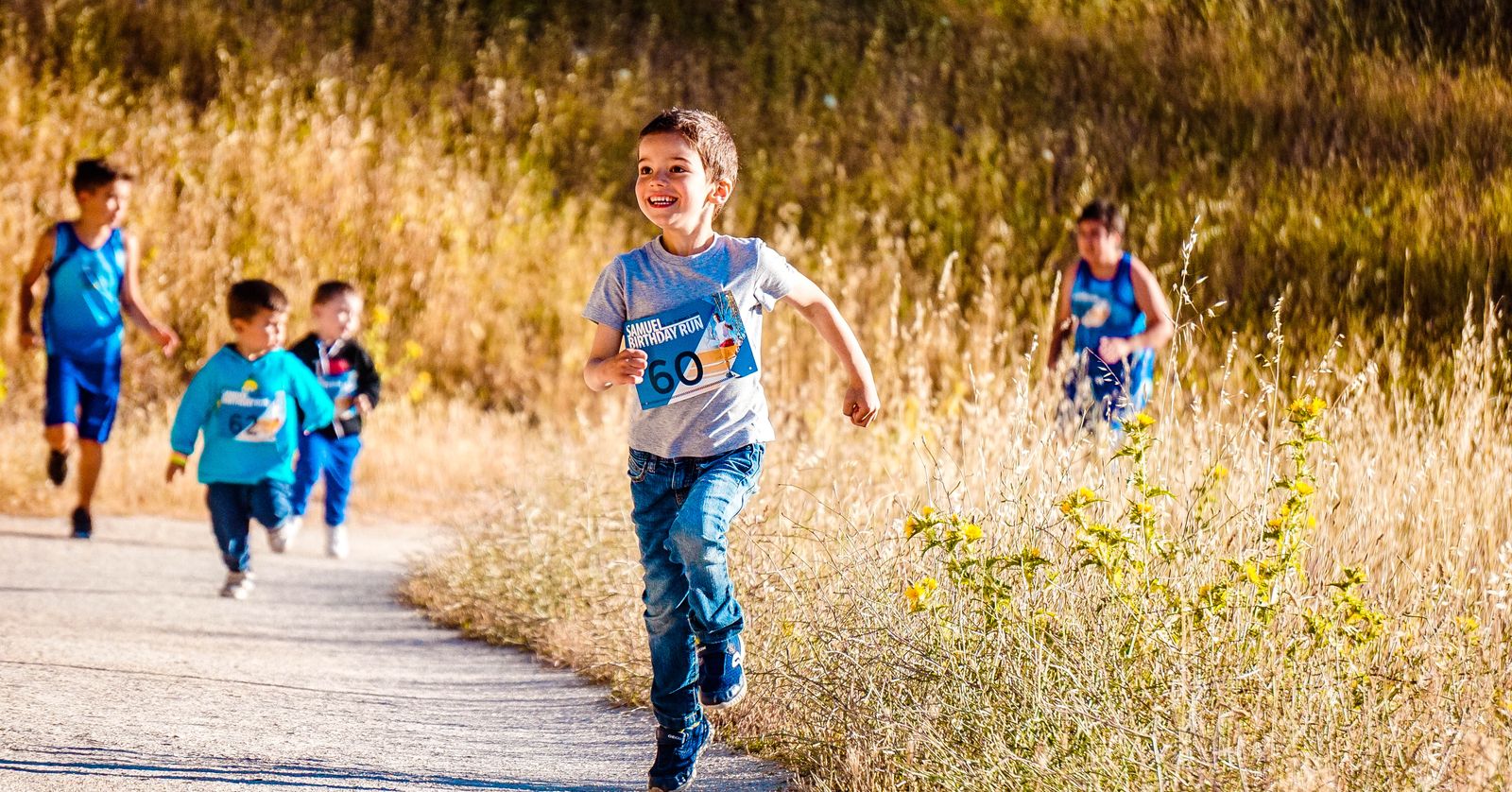
A child who has just moved - even a short walk, a few star jumps, or five minutes of play - returns to the desk genuinely refreshed and ready to focus. We covered the broader academic payoff of this in how sport improves your child's school results; movement breaks are the same principle, scaled down to a single study session.
A simple movement-break routine for OC prep
Work in short, focused blocks
Rather than one long stretch, try 20 to 25 minutes of focused work followed by a 5-minute movement break. Young children concentrate far better in short, complete blocks than in a marathon they cannot sustain.
Make the break genuinely physical
The break only works if the body actually moves. A quick lap of the backyard, a few stretches, bouncing a ball, or a short dance to one song all reset attention far better than scrolling a screen - which, as we discuss elsewhere, tends to drain focus rather than restore it.
Use movement to "anchor" tricky ideas
Beilock's research shows children often understand concepts more deeply when they act them out. Counting steps, using fingers and hands for maths, or walking through a reasoning problem out loud all turn abstract OC content into something the body helps the brain grasp.
Quality of practice still matters
Movement makes the brain ready to learn; what your child then does with that focus is what counts. Short, focused blocks of genuine practice - working through real questions and reviewing them - beat hours of passive re-reading every time. Our OC Test practice set is built for exactly this kind of focused, active session, and our guide on studying smarter, not harder goes deeper on making each block count.
So the next time your child fidgets at the desk, it may not be a discipline problem - it may be their brain asking to move. Let it. Next in the series: why letting your child "talk with their hands" helps them solve maths problems.
Breaks work best inside a session with a clear shape. A single Selective or OC paper divides naturally into sections with a pause between them. See also how regular sport shows up in schoolwork.
Put it into practice
Start with the Free Test, then choose a plan for the full practice papers. Cancel anytime.
Start Free Test