
The Three Stages of a Boy’s Development — A Guide for Australian Parents
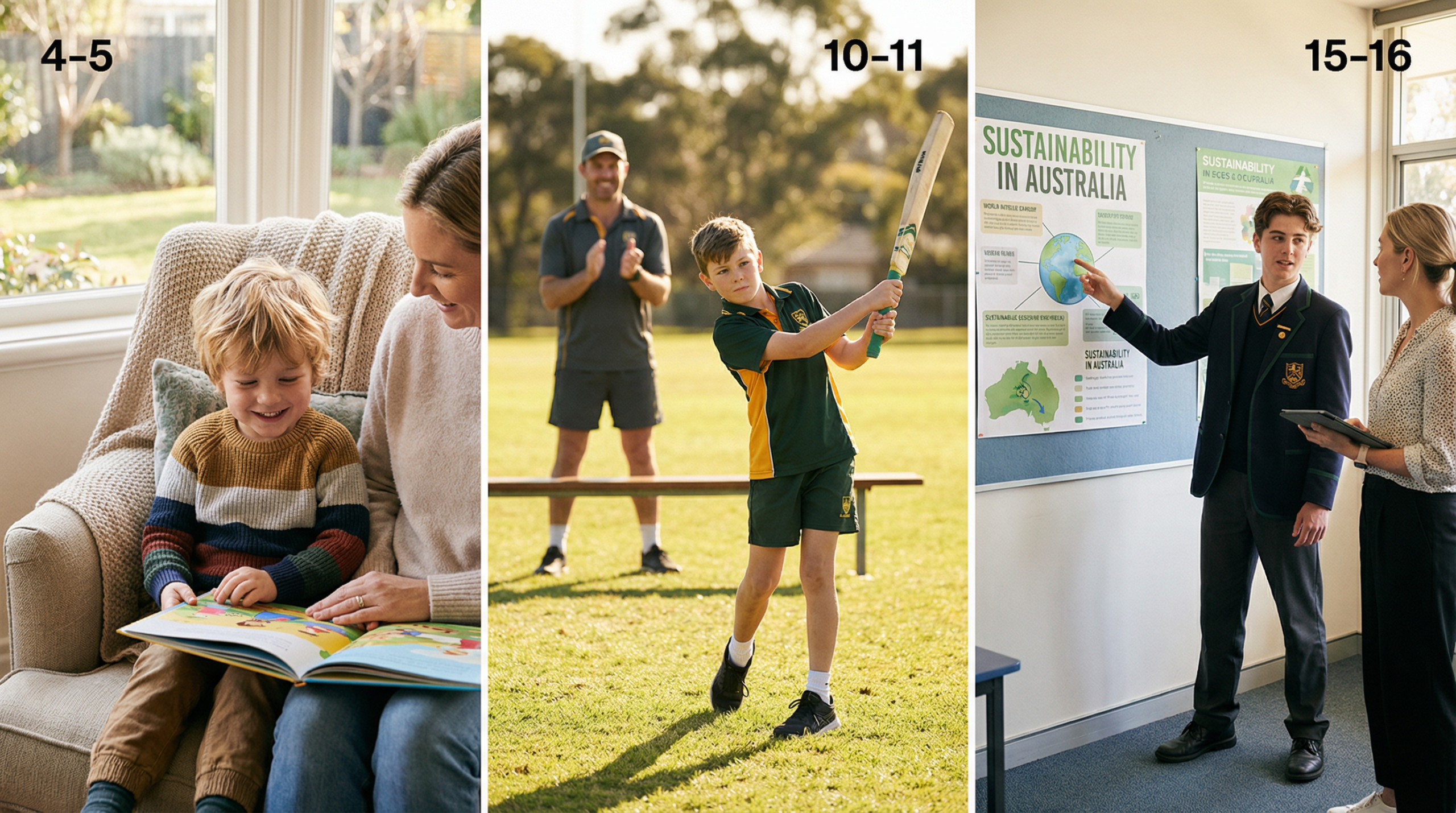
You try the approach that seems to work for everyone else, and your son just does not respond to it - and it is natural to wonder, quietly, whether something is wrong. Almost always, nothing is. He is simply moving through a particular stage of development, each with its own needs. This guide walks Australian parents through the three crucial phases of a boy's growth, so you can tailor your support to where he actually is - easing the friction and helping both his learning and his wellbeing.
Stage 1: Birth to Six Years — Building Love and Security
In the earliest years, boys need a foundation of love, security, and strong attachment, mainly from their mother or primary caregiver. This stage focuses on forming bonds, developing communication skills, and understanding the world around them.
Rather than pushing academics, parents should create a warm, nurturing environment. Activities like frequent conversation, storytelling, and reading aloud help develop essential language and comprehension skills that will support later learning for NAPLAN and OC tests.
Stage 2: Six to Fourteen Years — Developing Competence and Identity
From around age six, boys begin to seek competence and look to male role models to understand masculinity and their place in the world. This stage marks the start of serious academic preparation for tests like the OC, Selective, and scholarships.
Boys thrive with structure, clear rules, and fair discipline. They need to balance focused study sessions with plenty of physical activity and play to maintain motivation and well-being.
Stage 3: Fourteen to Adulthood — Encouraging Independence and Mentorship
As boys enter high school, they experience a surge of independence and require guidance from mentors beyond their parents. This stage is crucial for preparing for the HSC or VCE, where self-directed study becomes essential.
Parents should gradually step back, allowing boys to take responsibility for their learning while supporting connections with positive male mentors who can guide their academic and personal growth.
Practical Tips for Supporting Each Stage
- Ages 0–6: Prioritise reading together, encourage unstructured play, and build a secure emotional base.
- Ages 6–14: Establish structured study routines for NAPLAN, OC, and Selective Tests, balanced with active play and strong father involvement.
- Ages 14+: Promote independence in HSC/VCE study and help your son find mentors who support his academic and personal development.
Conclusion
Steve Biddulph’s insights in Raising Boys offer Australian parents a clear roadmap to support their sons through each developmental stage. By adapting your approach to your boy’s changing needs, you can nurture his confidence and academic success in the Selective Test, OC test, NAPLAN, and beyond.
At TestMagic, we provide tailored online practice tests designed to help your son excel at every stage of his educational journey. Start preparing today with our Selective Test, OC test, and NAPLAN resources to give him the best chance of success.
Whichever stage your son is in, the test dates do not move. Our OC practice papers are for Year 4 and our Selective papers for Year 6. Raising boys to succeed covers the wider picture.
Put it into practice
Start with the Free Test, then choose a plan for the full practice papers. Cancel anytime.
Start Free Test