
How to Set Smart Boundaries That Help Your Child Study Without a Fight
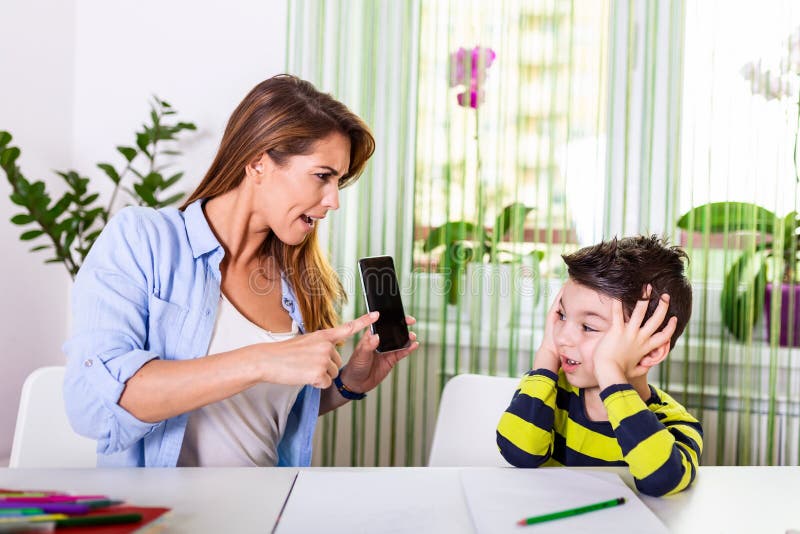
Asking your child to put the device down and open a book sets off the same exhausting battle every single evening - the negotiating, the resistance, the slammed door. It wears both of you down, and it is easy to take it personally. But the root of it is rarely defiance. In her book 'Dopamine Nation', Dr Anna Lembke introduces the idea of 'self-binding' - a calm, neuroscience-backed way to set boundaries in advance - which can turn those nightly conflicts into a settled, focused routine for HAST, Selective Test and NAPLAN preparation.
The Daily Homework Battle
In households across Australia, the transition from screen time to study time is often the most fraught part of the day. Whether your child is preparing for the Higher Ability Selection Test (HAST), the Opportunity Class (OC) test, or NAPLAN, asking them to turn off a device and open a textbook frequently results in resistance, negotiation, or outright conflict.
This daily battle is exhausting for both parents and children. However, the root of the problem is rarely a lack of discipline or a desire to be difficult. The issue lies in how the modern digital environment interacts with the developing brain. To eliminate the conflict, parents need to understand the science of temptation and how to create boundaries that actually work.
The Neuroscience of Temptation
The struggle to switch from a high-reward activity (like gaming or social media) to a high-effort activity (like studying) is driven by dopamine. In her New York Times bestselling book Dopamine Nation: Finding Balance in the Age of Indulgence, Dr Anna Lembke, a Professor of Psychiatry at Stanford University School of Medicine, explains the mechanics of the brain’s reward system.
Dr Lembke notes that we live in an environment engineered to deliver massive, unnatural spikes of dopamine. When a child is engaged in these activities, their brain is flooded with pleasure. When they are asked to stop and study, their dopamine levels plummet, placing them in a state of mild withdrawal. In this state, the temptation to return to the screen is overwhelming.
The cognitive effort required to resist this temptation—known as willpower—is a finite resource. If a child has to use all their willpower simply to ignore their phone sitting on the desk, they will have very little cognitive energy left for complex problem-solving or reading comprehension.
The Strategy of Self-Binding
The solution to this problem is a concept Dr Lembke calls “self-binding.” Self-binding involves creating physical and environmental barriers between an individual and their source of temptation. Instead of relying on willpower to resist a distraction in the moment, you change the environment so the distraction is simply not available.
By implementing self-binding strategies, parents can remove the constant need for negotiation and willpower, making study time significantly more peaceful and productive.
Here are the three main types of self-binding you can use to support your child’s exam preparation:
- Physical Self-Binding: This involves creating a physical barrier between your child and their device. The simplest and most effective method is to remove all unnecessary screens from the study area. If the smartphone is in another room, the child does not have to expend willpower ignoring it.
- Chronological Self-Binding: This involves setting strict time limits. For example, you might establish a rule that there is absolutely no screen time until all homework and HAST practice tests are complete. This clear boundary eliminates the “just five more minutes” negotiation.
- Categorical Self-Binding: This involves limiting the types of content your child can access. You might use parental controls to block social media or gaming apps during the school week, only allowing them on weekends.
Implementing Boundaries for Exam Success
When preparing for competitive Australian exams like the Selective Test or Scholarship tests, creating a distraction-free environment is essential. These exams require deep, sustained focus that is impossible to achieve when a child’s attention is constantly fractured by notifications or the temptation of a nearby screen.
To implement self-binding effectively:
- Collaborate, don’t dictate: Discuss the science of dopamine with your child and involve them in setting the boundaries. When they understand why the rules exist, they are more likely to comply.
- Be consistent: Boundaries only work if they are enforced consistently. If you give in to negotiation once, you teach your child that the boundary is flexible.
- Create a dedicated study zone: Designate a specific area in the house exclusively for study, free from all digital distractions. This signals to the brain that it is time to focus.
By using self-binding strategies to eliminate the daily battles over screen time, you can create a calm, productive environment for your child’s exam preparation. To further support their study routine, explore TestMagic’s range of online practice tests for the HAST, Selective Test, and NAPLAN. For more advice on creating the ideal study space, read our article on The Right Study Environment Enhances Academic Results.
Boundaries hold better when the work has a visible end. A single Selective or OC paper is one clear task rather than an open evening. Screen time is usually the boundary that causes the most trouble.
Put it into practice
Start with the Free Test, then choose a plan for the full practice papers. Cancel anytime.
Start Free Test